

The cultivated meat industry has grown from an experimental idea into a fully regulated market in 2026. Brands are now focused on scaling production, reducing costs, and introducing products to consumers through innovative strategies. Singapore and the United States lead the way with multiple regulatory approvals, while the UK and EU are progressing at a slower pace. Here's what you need to know about the top cultivated meat brands this year:
- Eat Just / Good Meat: Specialises in cultivated chicken and hybrid products. Approved in Singapore, the US, and Australia, with products available in select restaurants and retail stores.
- Upside Foods: Offers cultivated chicken and beef products. Approved in the US and working with high-end restaurants to build its reputation.
- Wildtype: Focuses on cultivated Pacific salmon for sushi. Approved in the US and targeting premium culinary markets.
- Aleph Farms: Produces cultivated beef steaks using advanced 3D bioprinting. Approved in Israel and awaiting approvals in other regions.
- Mosa Meat: Known for cultivated beef burgers. Awaiting EU approval and aiming for cost parity with traditional beef.
- BlueNalu: Specialises in cultivated seafood like Bluefin tuna. Targeting high-end dining and addressing overfishing concerns.
- Vow: Focuses on exotic meats like Japanese quail and aims to create new flavours. Approved in Singapore and Australia.
- Meatable: Previously focused on cultivated pork and beef but ceased operations in 2026 due to funding challenges.
Quick Comparison:
| Brand | Main Products | Regulatory Status | Availability | Key Focus |
|---|---|---|---|---|
| Eat Just | Chicken, Hybrids | Singapore, US, Australia | Restaurants, Retail | Cost-effective production |
| Upside Foods | Chicken, Beef | US | High-end restaurants | Premium quality |
| Wildtype | Salmon | US | Culinary markets | Sushi-grade seafood |
| Aleph Farms | Beef Steaks | Israel | Awaiting global approvals | Structured beef cuts |
| Mosa Meat | Beef Burgers | Pending EU approval | Not yet commercial | Cost parity with beef |
| BlueNalu | Bluefin Tuna | Pending US, Singapore | Restaurant partnerships | Overfished species |
| Vow | Japanese Quail | Singapore, Australia | High-end dining | New meat varieties |
| Meatable | Pork, Beef | N/A (ceased operations) | N/A | Rapid cell growth technology |
These companies are shaping the future of food by addressing production costs, taste, and regulatory challenges, with some already reaching consumers through restaurants and retail. The industry's growth is also driven by its potential to reduce emissions and land use compared to conventional farming.
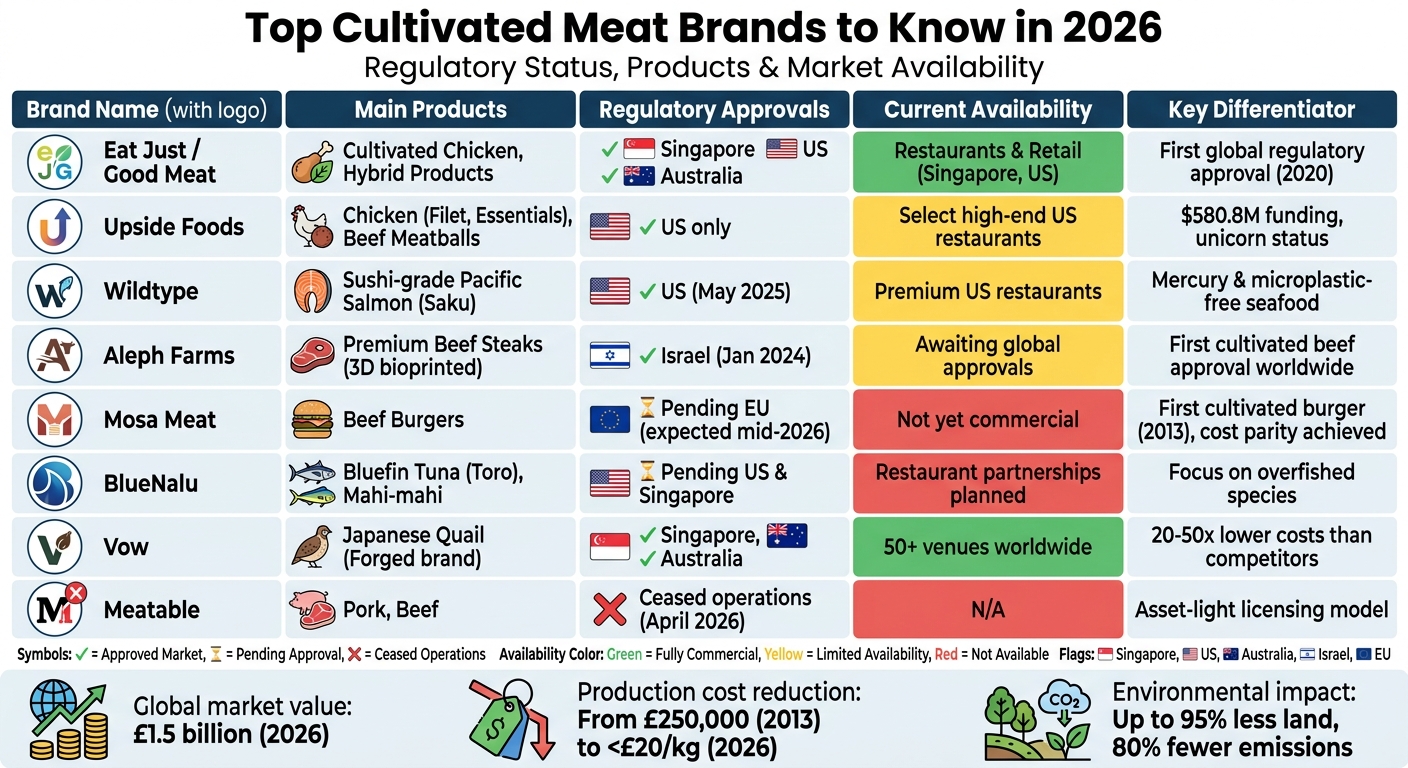
Top 8 Cultivated Meat Brands Comparison 2026: Products, Approvals & Availability
Is lab grown food the dinner of the future?
sbb-itb-c323ed3
1. Eat Just / Good Meat
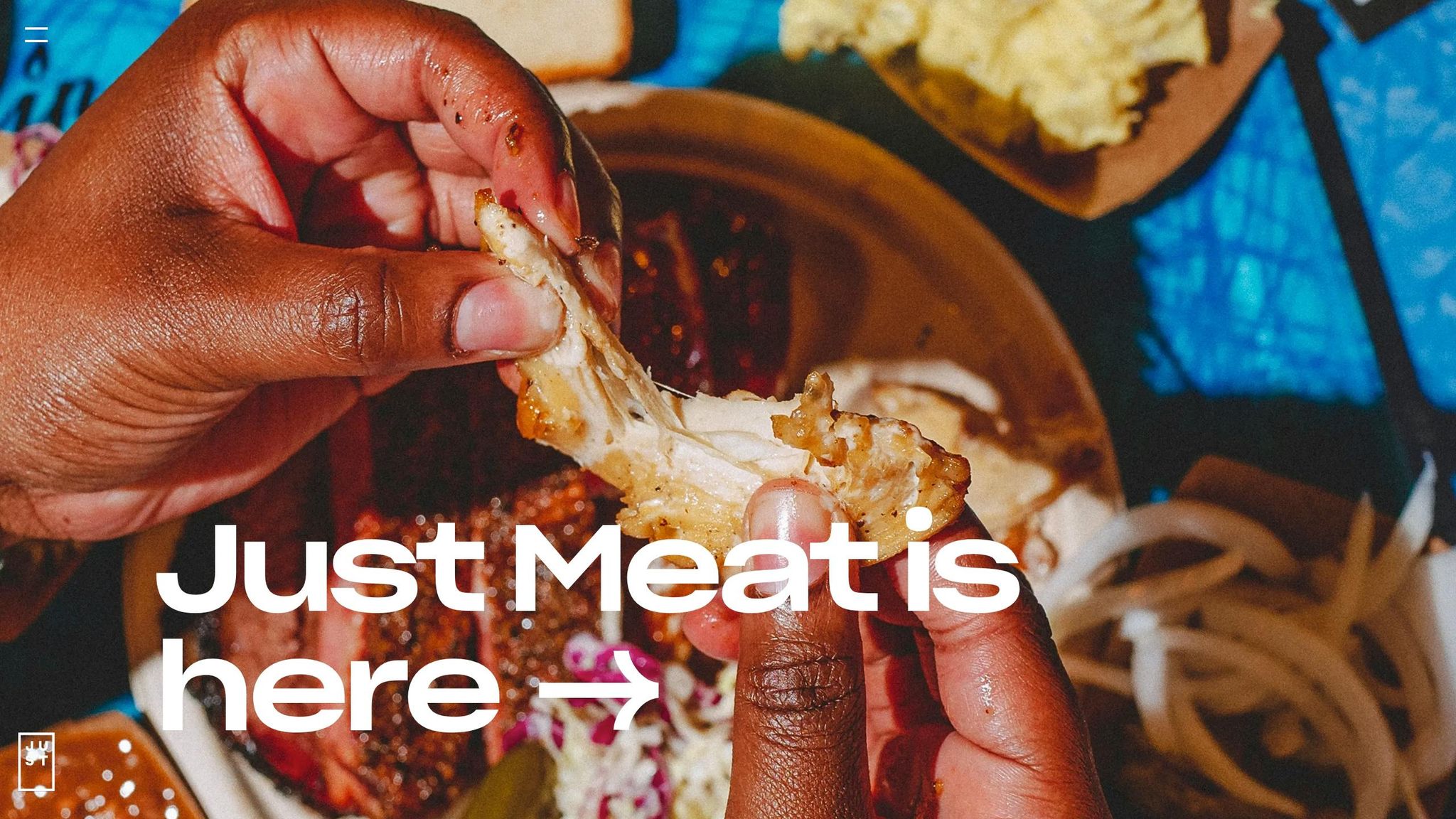
Good Meat, the cultivated meat division of Eat Just, achieved a major milestone by becoming the first company to gain regulatory approval for its products in Singapore back in November 2020. This also marked the first commercial sale of cultivated meat globally[6].
Primary Product Offering
Good Meat specialises in cultivated chicken, which is grown directly from animal cells without requiring slaughter. The company has prioritised developing chicken products aimed at both the restaurant and retail sectors, ensuring a versatile offering for various markets[2][3].
Regulatory Approval Status
By April 2026, Good Meat had achieved regulatory clearance in several countries. Notably, it received FDA safety clearance in March 2023, USDA approval by mid-2023, and gained approval in Australia by late 2025. This achievement places Good Meat among only seven companies worldwide with approvals spanning multiple countries[3].
Commercial Availability
Initially available only in restaurants, Good Meat expanded into retail markets. In Singapore, its products launched at Huber's Butchery, while in the United States, they became available at China Chilcano, a restaurant by chef José Andrés[2][3].
Key Differentiators
Good Meat's market presence is bolstered by its focus on cost-effective and ethical production. In January 2023, Singapore approved its serum-free media process, which significantly lowered production costs while improving ethical standards. Additionally, Eat Just has raised $551 million across eight funding rounds, underscoring its solid financial and technical foundation[5][6].
2. Upside Foods
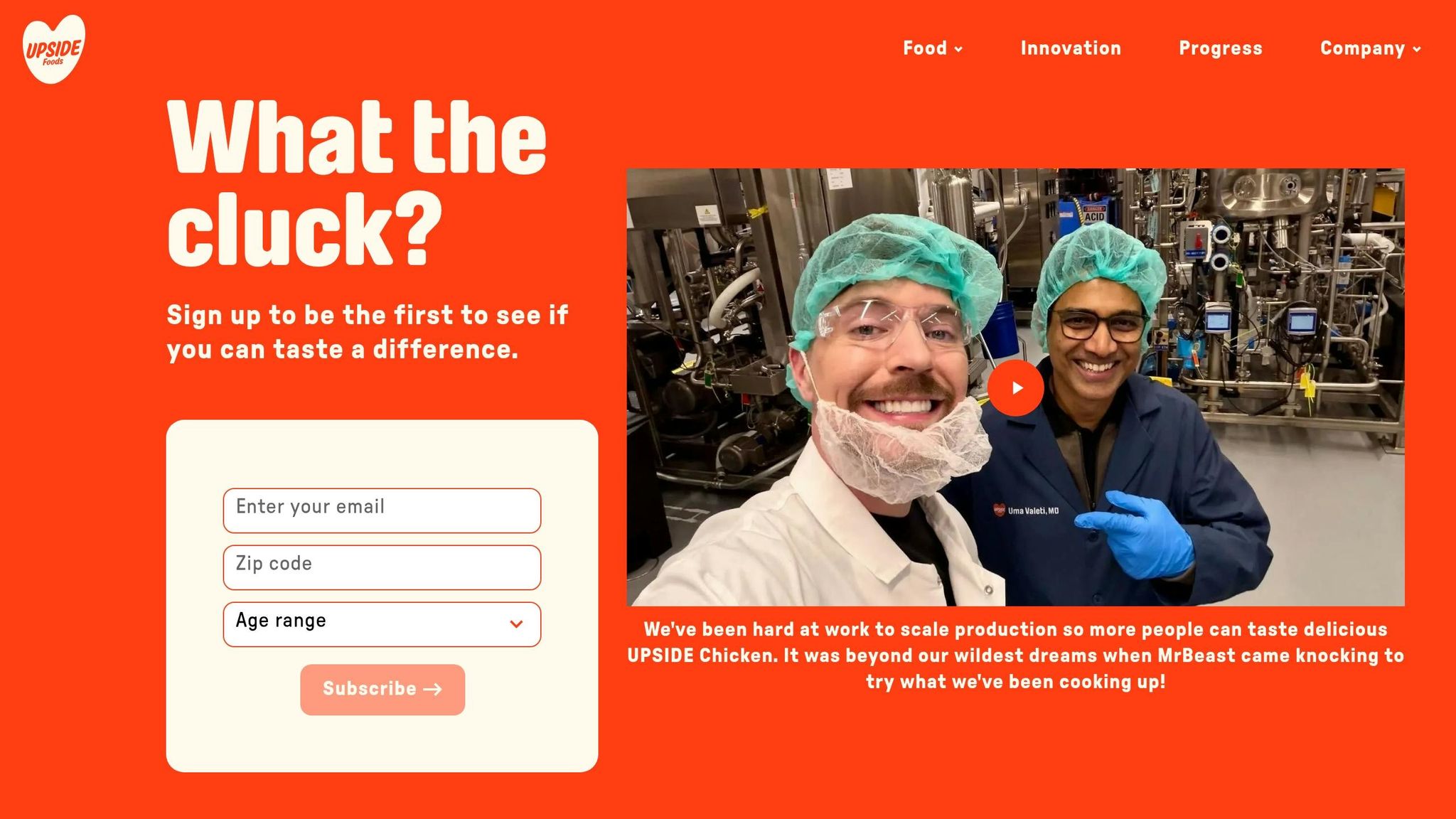
Upside Foods has played a major role in shaping the cultivated meat industry, particularly in the United States. As the first cultivated meat company in the world, it made history in November 2022 by securing FDA safety clearance, followed by USDA approval in 2023 [9].
Primary Product Offering
The company currently offers two main cultivated chicken products:
- Chicken Filet: This premium option consists of over 99% cultivated cells, with only minimal binding agents like maltodextrin and transglutaminase. It's designed for dishes such as tacos and other gourmet meals.
- Essentials: A hybrid product combining cultivated chicken cells with soy protein, this line is aimed at the mass market and comes in formats like breakfast sausages and fried chicken sandwiches.
Beyond chicken, Upside Foods has also developed prototypes for cultivated beef meatballs, duck, and seafood, leveraging its acquisition of Cultured Decadence to explore these new categories [7][8].
Regulatory Approval Status
Currently, Upside Foods has regulatory clearance exclusively in the United States. It has not yet received approval in regions like the United Kingdom - where Meatly is the only authorised cultivated meat producer - or in other markets such as Singapore, Australia, or Israel [4]. This limited geographic approval sets it apart from competitors with broader international regulatory success.
Commercial Availability
Upside Foods' products are available only through select restaurant partners in the US. The company initially targeted high-end dining venues and Michelin-starred chefs to establish a reputation for quality. Chef Dominique Crenn, a three-star Michelin chef, shared her thoughts:
"When I tasted it, I was like... okay, this is the future. I love UPSIDE" [7].
Plans are underway to expand into grocery stores as production scales at the EPIC (Engineering, Production and Innovation Centre) facility [8].
Key Differentiators
Upside Foods has raised approximately US$580.8 million across four funding rounds, earning unicorn status in 2022 with a valuation exceeding US$1 billion [5]. It operates one of the most advanced cultivated meat production facilities globally and became the first company to successfully navigate the dual FDA and USDA regulatory process in the US [9]. By 2026, the company aims to broaden its scope, venturing into the medtech and life sciences sectors alongside its cultivated meat operations [4].
3. Wildtype
Wildtype, a San Francisco-based company, is making waves in the cultivated meat industry by focusing on seafood. Specialising in cultivated Pacific salmon, Wildtype is targeting high-end culinary markets, showcasing the growing diversity within this sector.
Primary Product Offering
At the heart of Wildtype's lineup is the Wildtype Salmon Saku - a sushi-grade Pacific salmon block precisely cut for dishes like sashimi, nigiri, and ceviche. This product mimics the texture and omega-3-rich profile of wild-caught salmon. The salmon is developed using Pacific salmon cells grown in advanced bioreactor designs, blended with plant-based ingredients. The resulting product is free from mercury, microplastics, antibiotics, and parasites, offering a cleaner alternative to traditional seafood options [10].
Regulatory Approval Status
Wildtype achieved a significant milestone in May 2025 when the FDA approved its cultivated salmon for sale in the United States. While the product isn't yet available in the UK, Wildtype is actively pursuing international regulatory approvals. By April 2026, the company had secured US$119.5 million in funding to fuel its growth and global ambitions [4][5].
Commercial Availability
Since receiving FDA clearance, Wildtype's salmon has been featured in select high-end restaurants across the US. The company also operates a demonstration facility in San Francisco, allowing visitors to experience their product first-hand. However, regulatory hurdles in some regions continue to shape the pace of expansion [10][11].
Key Differentiators
Justin Kolbeck, Wildtype's co-founder and CEO, shared the company's focus for 2026:
"Wildtype salmon has been available for purchase every week since our FDA approval in May. This year, we have one primary goal: get our product on as many customer plates as possible." [4]
To achieve this, Wildtype is fine-tuning its production processes, aiming to scale efficiently while maintaining the high quality required for premium raw salmon dishes.
4. Aleph Farms
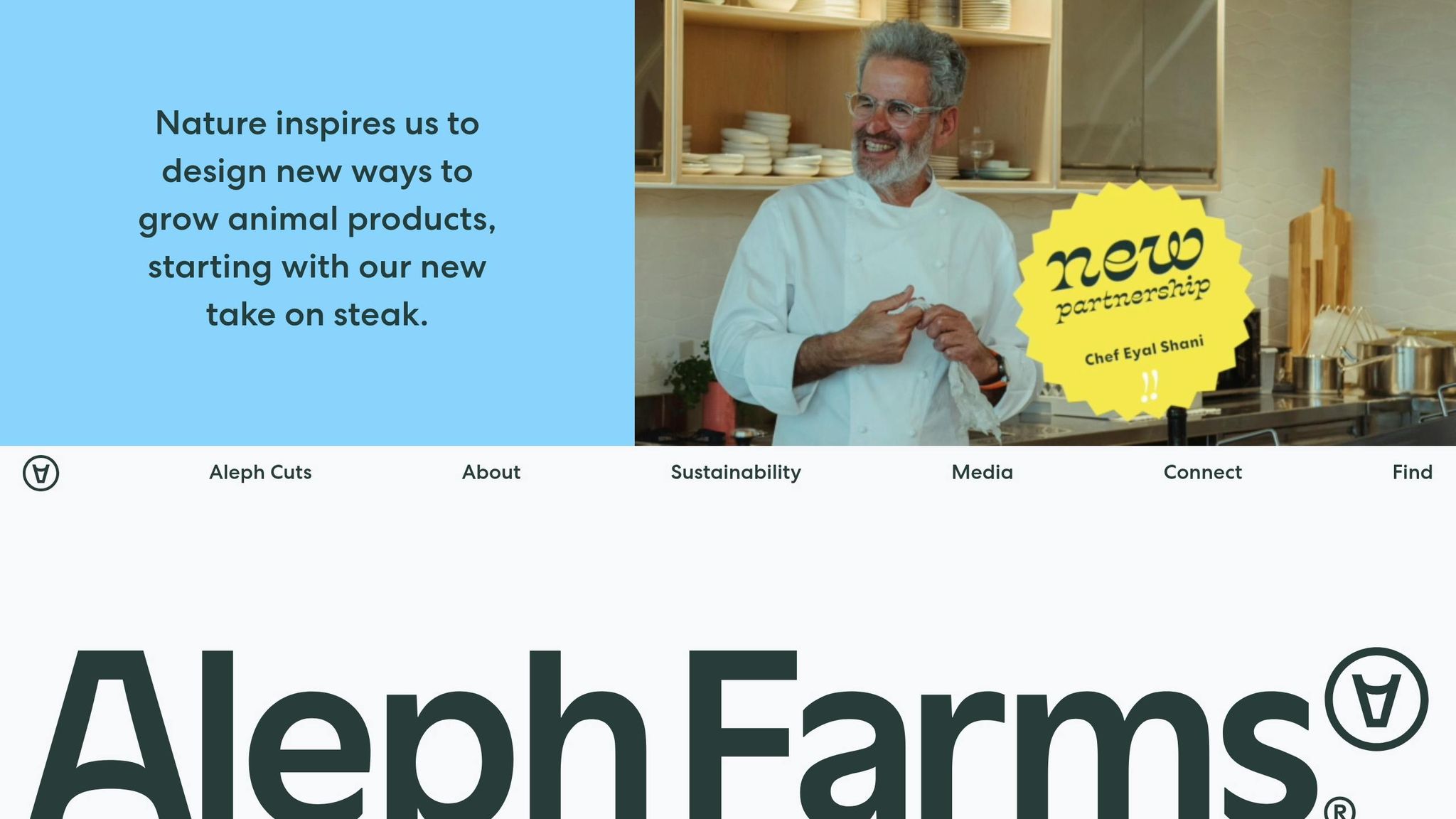
Aleph Farms is making waves in the cultivated meat industry by focusing on premium beef steaks that stand out for their complexity and quality. Founded in 2017 by Didier Toubia and Professor Shulamit Levenberg, this Israeli company specialises in producing cultivated beef steaks that mimic the texture and marbling of traditional cuts. Instead of focusing on simpler formats like minced meat, Aleph Farms uses advanced 3D bioprinting to create intricate, structured tissues.
Primary Product Offering
The company's flagship product, Aleph Cuts, is a thin-cut steak produced using proprietary 3D bioprinting technology. This steak blends the texture of short rib with the juiciness of ribeye, while also incorporating cultivated collagen as part of a "whole animal" approach [12][13].
Regulatory Approval Status
In January 2024, Aleph Farms achieved a major milestone by becoming the first company worldwide to gain regulatory approval for cultivated beef, a decision made by the Israeli Ministry of Health [14]. By April 2026, the company was awaiting approvals in several important markets, including the United Kingdom, Singapore, Switzerland, and Thailand, having filed applications in December 2024 [4][14]. Future plans include regulatory submissions in the UAE and the European Union [4]. These efforts underline Aleph Farms' commitment to expanding its global footprint.
Commercial Availability
After receiving Israeli approval, Aleph Farms adopted an asset-light strategy, focusing on regional partnerships rather than building large-scale proprietary facilities [4]. This approach allows for quicker and more cost-effective scaling, particularly in Southeast Asia and Europe. By early 2026, the company had raised around £95 million across four funding rounds, including £23 million secured in 2025 [5][4].
Key Differentiators
Aleph Farms has carved out a leadership role by maintaining operational discipline, even in a tough funding climate. Co-founder and CEO Didier Toubia highlighted this shift in focus:
"The industry has moved past its early hype cycle and is now judged on execution, risk management, and consumer relevance rather than vision alone." [4]
This emphasis on delivering sustainable growth, coupled with the technical expertise to produce complex, structured meat products, sets Aleph Farms apart as the cultivated meat sector continues to evolve [4][5].
5. Mosa Meat
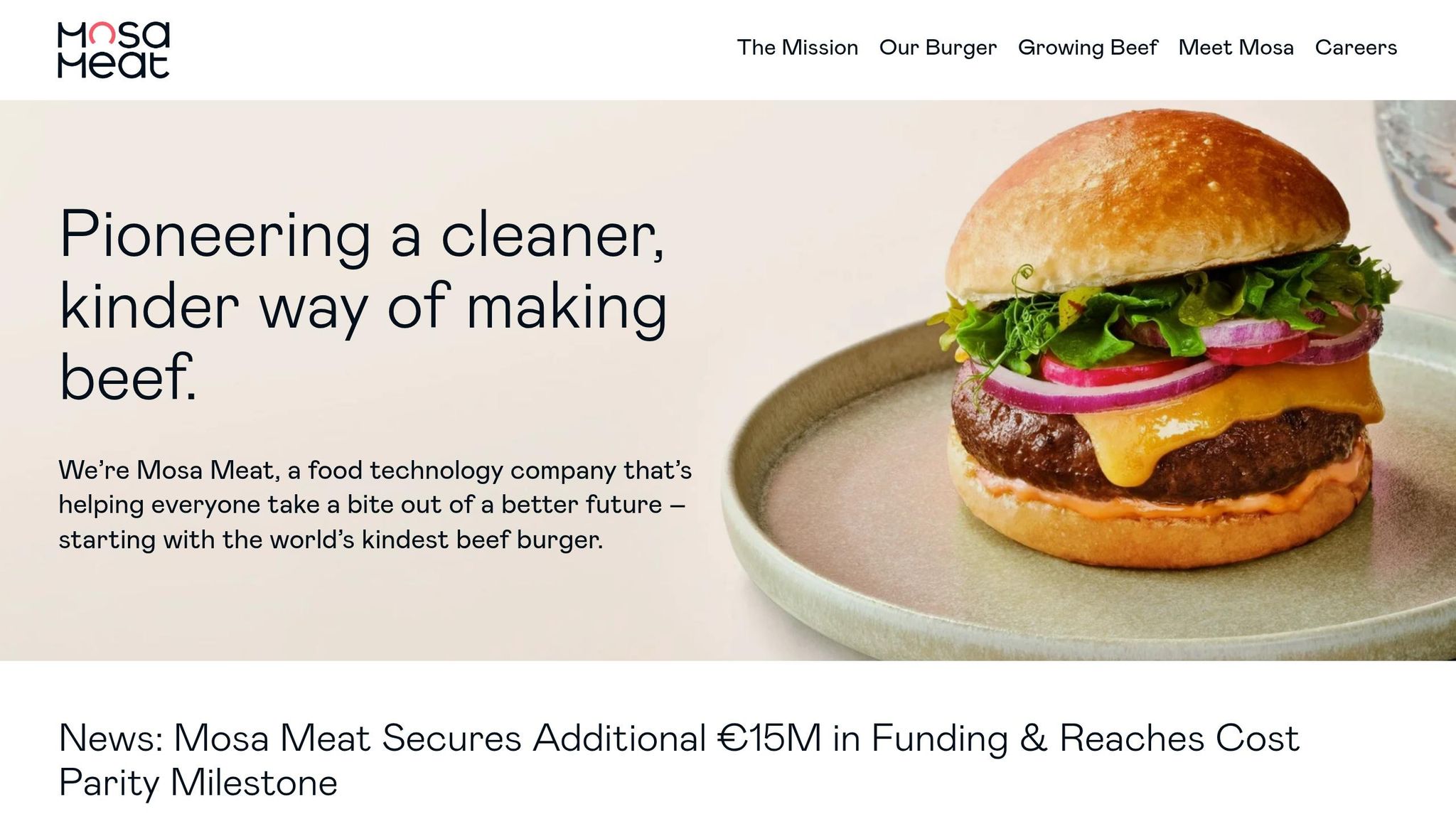
Mosa Meat made history in 2013 by unveiling the world's first cultivated beef burger in London - a groundbreaking prototype that cost £250,000 to produce [1]. Fast forward over a decade, and this Dutch company has turned that ambitious experiment into a commercially viable product. Recently, they announced achieving a "cost parity milestone" with premium conventional beef, marking a major step forward for their approach [15].
Primary Product Offering
Mosa Meat is all about cultivated beef burgers, crafted from real bovine cells. These aren't imitations - they are actual beef, complete with the natural fats and juices you'd expect. As the company explains:
"They don't just mimic meat - they are genuine beef, oozing natural fats and juices." [15]
From a tiny sesame-seed–sized cell sample, Mosa Meat can produce up to 80,000 burgers, all without harming a single animal [15]. Their pilot facility in Maastricht currently produces 100 kilogrammes per month per 200-litre bioreactor, with the potential to scale up to 180,000 kilogrammes annually [6].
Regulatory Approval Status
In January 2025, Mosa Meat submitted an application to the European Food Safety Authority (EFSA) for approval of its cultivated fat. The company is now awaiting EU clearance, which is anticipated by mid-2026 [6].
Commercial Availability
Although Mosa Meat's burgers aren't yet available in retail stores, the company is actively collaborating with restaurants and food service providers to get its products on menus [16]. To date, Mosa Meat has raised $156.2 million across seven funding rounds, including an additional €15 million secured in April 2026 to support scaling efforts [5][16]. UK customers eager to try these burgers can sign up via Cultivated Meat Shop to receive updates on availability [1].
Key Differentiators
As a trailblazer in the cultivated meat industry, Mosa Meat stands out for its focus on sustainability and efficient production. Their burgers address the environmental challenges of livestock farming, which is responsible for 14.5% of global greenhouse gas emissions [1]. The dramatic cost reduction - from £250,000 per burger in 2013 to pricing comparable with conventional beef in 2026 - highlights their technical advancements and commitment to making cultivated meat affordable for everyday consumers [15][1].
6. BlueNalu
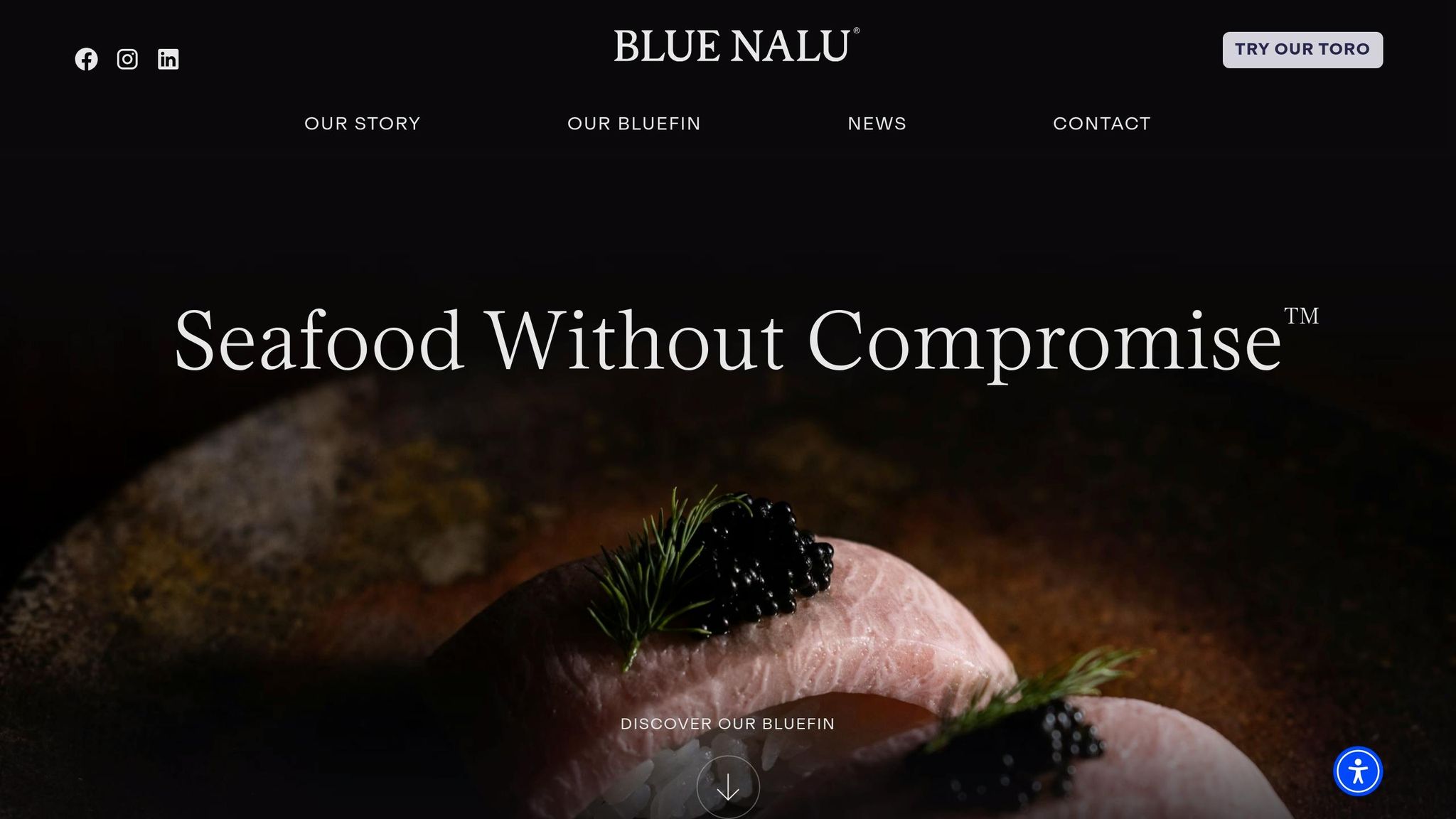
While most cultivated meat companies prioritise beef or chicken, BlueNalu has taken a different route, specialising in cultivated seafood. Based in San Diego, California - though originally founded in Hawaii - the company is tackling one of the food industry's pressing issues: the overfishing of premium marine species.
Primary Product Offering
BlueNalu's standout product is cultivated Bluefin tuna, with a particular focus on the highly sought-after 'toro' - the fatty belly cherished in sushi and sashimi. Their innovative process produces tuna that’s free from mercury, microplastics, and other pollutants, delivering an authentic toro experience from just a small cell sample. The company describes its mission as:
"We make cell-cultivated seafood - exceptional seafood, made in a new way. From the depths of tradition to the edge of innovation." [17]
Commercial Availability
As of April 2026, BlueNalu's cultivated tuna isn’t available in supermarkets. Instead, the company is working with restaurants and has introduced a waitlist for future availability. Customers in the UK can sign up via Cultivated Meat Shop to get updates on restaurant collaborations and exclusive offerings. [17]
Key Differentiators
What sets BlueNalu apart is its dedication to high-value, at-risk marine species rather than land-based livestock. Their culinary-first strategy involves working closely with top chefs to underscore the quality of their products. Chef Joseph Lidgerwood, Owner and Chef of Evett, highlights this unique approach:
"I have always believed that chefs possess the unique opportunity to create change through food. BlueNalu offers a sustainable solution to a deeply cultural relationship with seafood." [17]
7. Meatable
Meatable, known for its cutting-edge approach to cultivated meat production, announced in April 2026 that it would cease operations due to a lack of funding [18]. This marked the end of a journey that had introduced some truly forward-thinking products to the market.
Primary Product Offering
Before its closure, Meatable specialised in cultivated beef and pork, created through a process designed to mimic the cellular structure of traditional meat. This innovative production process was central to their efficiency. This approach not only sped up production but also aimed to minimise environmental harm. Chef Jose Luis del Amo of Classic Fine Foods, after trying their product, shared his enthusiasm:
"I'm craving for more"
Key Differentiators
Meatable stood out with its asset-light licensing strategy, which allowed the company to collaborate with established players in the food industry for rapid scaling. It also gained recognition by winning the "Food Replacement Innovation of the Year" award for its technology. While the company is no longer operational, its licensing model and technological achievements continue to influence the cultivated meat sector.
8. Vow

Vow is taking a fresh approach to Cultivated Meat by focusing on creating entirely new varieties rather than mimicking traditional meat options. Forbes aptly described Vow as "The spaceship of the cultivated meat industry" [19].
Primary Product Offering
Vow's standout product is cultivated Japanese quail, which is sold under the "Forged" brand. To date, the company has produced more than 10 tonnes of cultivated meat and served around 20,000 dishes [19]. As the company explains:
"We're not out to replicate meat as you know it; we're aiming to make it yummier & more nutritious" [19].
Regulatory Approval Status
By April 2026, Vow had secured regulatory approval and was actively selling its products in two markets [19]. This positions the company among the few in the Cultivated Meat space with products already available to consumers, marking a significant milestone in its growth.
Commercial Availability
Vow's products are now featured in over 50 venues worldwide [19]. While many companies are still working towards market entry, Vow has already carved out a presence, particularly in high-end dining establishments.
Key Differentiators
Vow's production methods stand out for their efficiency and cost-effectiveness. The company achieves production at costs 20–50 times lower than competitors, requiring just 10% of the capital investment [19]. Using a food-grade manufacturing platform with bioreactor capacity of 40,000 litres, Vow produces meat without relying on genetic modification or Fetal Bovine Serum (FBS). Their focus on creating unique flavour profiles rather than replicating familiar ones sets them apart in the cultivated meat industry.
Brand Comparison Table
With eight brands operating at various stages of commercialisation, comparing them side by side makes it easier to understand their progress on the cultivated meat timeline. Below is a table that examines four critical aspects: their products, regulatory approvals, availability, and what makes each brand stand out.
| Brand | Main Products | Regulatory Status | Availability | Key Differentiator |
|---|---|---|---|---|
| Eat Just / Good Meat | Chicken, Hybrid products | Regulatory approvals: Singapore, US | Singapore (retail/dining), US (select restaurants) | First to receive regulatory approval globally [20][22] |
| Upside Foods | Chicken (whole/shredded), Beef meatballs, Duck | Regulatory approvals: US | US (select restaurants like Bar Crenn) | Largest funding to date ($400M Series C) [20] |
| Wildtype | Sushi-grade Salmon | Regulatory approvals: US | US (direct purchase/restaurants) | Focus on high-quality, contaminant-free seafood [4][21] |
| Aleph Farms | Premium Beef Steaks | Regulatory approvals: Israel | Israel; Awaiting Singapore/UK/Swiss | Focus on whole-cut steaks and low-cost production [20] |
| Mosa Meat | Beef, Beef Fat | Pending: EU, UK | Not yet commercial; working on 2026 launch | Pioneers of the first cultivated burger [20][22] |
| BlueNalu | Bluefin Tuna (Toro), Mahi-mahi | Pending: US (FDA), Singapore | Launching with partners in 2026 | Focus on overfished and endangered seafood [4][22] |
| Meatable | Pork (Sausages), Beef | Pending: EU | Preparing for 2026 retail launch in Europe | "Opti-ox" technology for rapid cell growth [20][22] |
| Vow | Quail (Pate, Foie Gras), Exotic meats | Regulatory approvals: Singapore, Australia | Singapore (restaurants), Australia (high-end dining) | Focus on protecting biodiversity and unique culinary experiences [20][22] |
This snapshot shows the variety of approaches and progress across brands. Regulatory approvals differ significantly. Good Meat and Upside Foods have secured approval in both Singapore and the US, while Vow has gained approval in Singapore and Australia [20]. Meanwhile, European brands like Meatable and Mosa Meat are still working through EU and UK applications. UK consumers eager to try these products can stay updated via the Cultivated Meat Shop, which will announce product launches as they arrive.
Conclusion
By 2026, cultivated meat has shifted from a novel concept to a commercial reality. Companies like Eat Just, Upside Foods, and Aleph Farms have achieved regulatory approvals and introduced their products in major markets. Meanwhile, European pioneers such as Mosa Meat and Meatable are gearing up for retail launches. This progress has propelled the global cultivated meat market to an estimated value of £1.5 billion, with trial rates among urban consumers reaching around 15% [25].
One of the driving forces behind this growth is the significant reduction in production costs. For instance, Mosa Meat has managed to lower the cost of cultivated beef mince to under £20 per kilogramme. Advances in bioreactor technology have also played a major role, with prices dropping from £250,000 to approximately £12,500, cutting production costs by 40–70%. Experts predict these costs could fall further, potentially reaching £5–£10 per kilogramme by 2030 [1][23].
The environmental benefits of cultivated meat are also a major focus. Vow, for example, produces cultivated meat that uses up to 95% less land and generates up to 80% fewer emissions compared to traditional methods [24]. If widely adopted, this technology could reduce global livestock emissions by around 20%, supporting the UK's net-zero goals while providing enough protein to sustain an additional 2 billion people in the face of climate challenges [25]. These advancements not only improve environmental outcomes but also enhance consumer trust.
Educating consumers is crucial as the industry continues to grow. Initiatives like Cultivated Meat Shop are helping to build trust by offering clear product previews and waitlists, with early sign-ups showing a 25% higher willingness to try these products. These efforts are helping to familiarise people with cultivated meat and prepare them for its integration into everyday diets. As regulatory frameworks evolve and brands expand their offerings - from whole-cut steaks to sushi-grade salmon - cultivated meat is set to become a common feature of modern food systems, reshaping how we think about and consume protein for years to come.
FAQs
Where can I buy cultivated meat in the UK in 2026?
You can keep track of cultivated meat's availability in the UK via platforms like Cultivated Meat Shop. They offer educational materials, waitlists, and updates on regulatory developments. It's predicted that cultivated meat will debut in restaurants before becoming available in retail stores, which is expected by 2027.
Is cultivated meat safe to eat?
Cultivated meat has been deemed safe for consumption. Regulatory authorities in countries such as Singapore, the United States, and Israel have already approved various products for public use. Meanwhile, the UK is in the process of conducting safety tests on these products. These approvals are grounded in thorough evaluations designed to prioritise consumer safety.
Why is Cultivated Meat still expensive?
Cultivated meat remains expensive largely because of the hefty costs tied to its production. Scaling up cell cultivation is no small feat, requiring advanced facilities and expertise. Achieving realistic textures is another hurdle, often involving sophisticated scaffolding techniques to mimic the structure of traditional meat. On top of that, meeting strict regulatory standards adds further complexity and financial strain. Together, these factors drive up the price, reflecting the significant investment and cutting-edge technology behind this emerging industry.


