

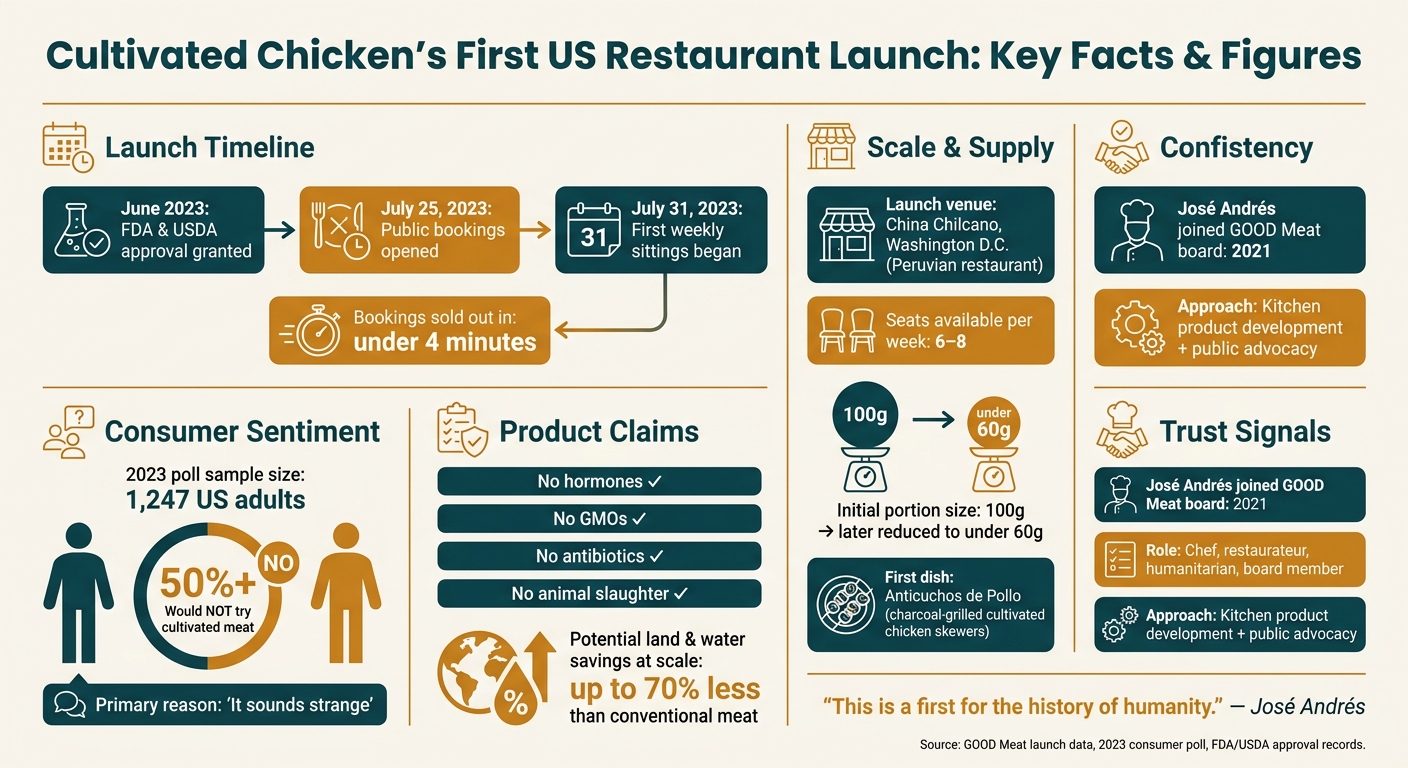
I’d sum it up like this: his role was to make a new food feel less strange, more normal, and easier to try. In July 2023, he helped launch cultivated chicken at China Chilcano in Washington, D.C. after US approval in June 2023. The launch was small, the seats sold out in under four minutes, and the first public test centred on three simple questions: Does it taste like chicken? Is it safe? Why should anyone care?
If I were boiling the whole story down for a UK reader, these are the main points:
- José Andrés gave the product a trusted public face through his work as a chef, restaurateur, humanitarian, and GOOD Meat board member since 2021.
- He worked on the food itself, not just the message, helping refine taste and texture before launch.
- The first US restaurant service used a familiar dish: Anticuchos de Pollo, served as charcoal-grilled skewers with potatoes and ají amarillo chimichurri.
- Consumer reaction was mixed but mostly curious: flavour was often described as chicken-like, while texture drew more divided views.
- Safety concerns were handled with plain facts, including FDA and USDA clearance in June 2023.
- Supply was tiny, with only six to eight seats a week, which showed interest but also how early the market still was.
- For the UK, the main lesson is simple: many people will first meet cultivated chicken in a restaurant, not on a supermarket shelf.
One figure stands out. In a 2023 poll of 1,247 adults, more than 50% of Americans said they would not try cultivated meat, often because it sounded strange. That is why this case matters. I see it as a test of how public trust starts: not in a lab, but at the table, with a chef people already know.
Below, I’d frame the article as a short case study in taste, safety, trust, scarcity, and what this may mean before cultivated chicken reaches Britain.
Cultivated Chicken US Launch: Key Facts & Consumer Insights
From endorsement to launch: Andres' role in the first US restaurant service
Working with GOOD Meat and supporting cultivated chicken early
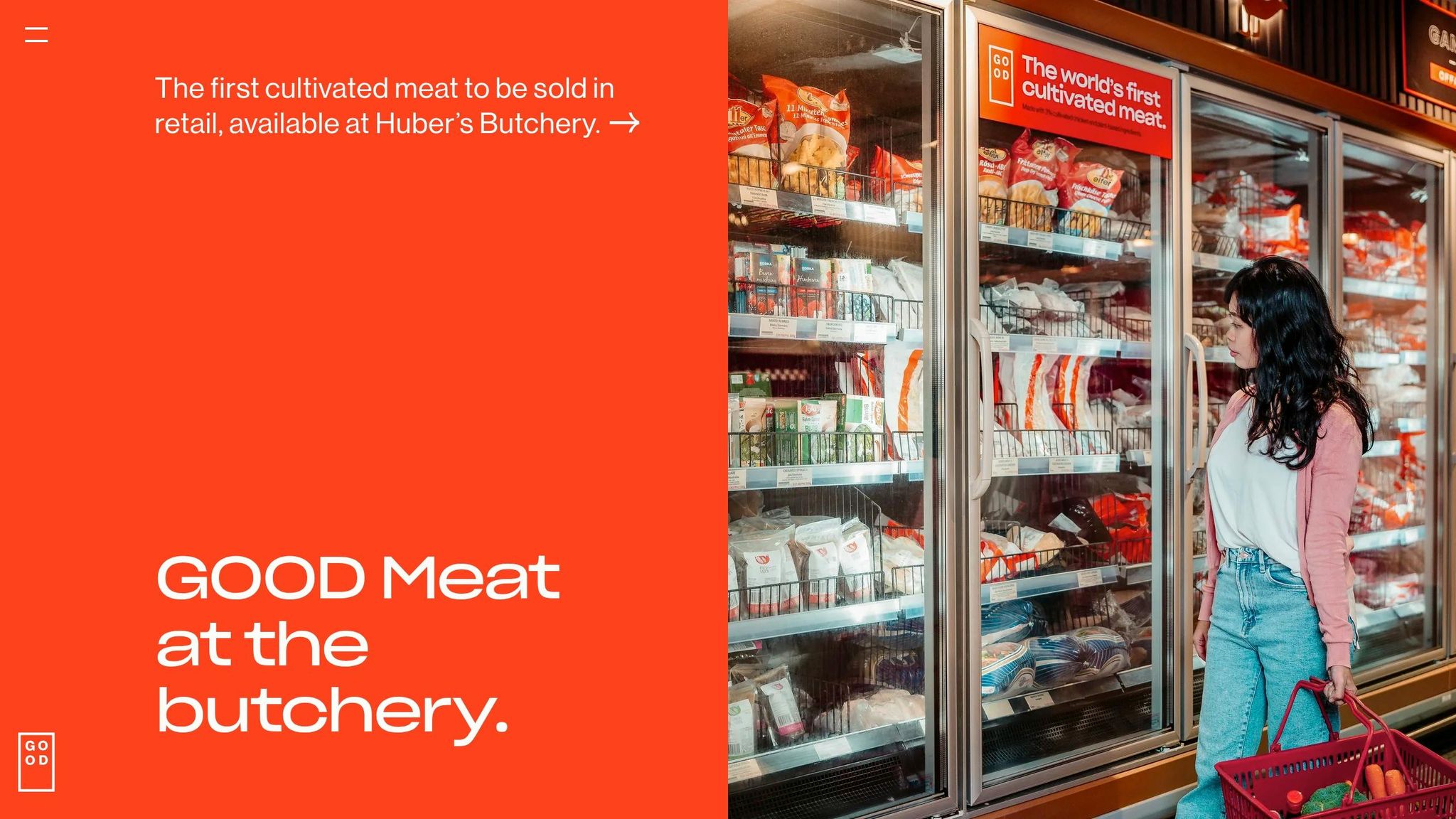
After joining the GOOD Meat board in 2021, Andrés did more than lend his name to the company. He and his culinary team worked through several versions of the product, testing and refining the taste and texture before launch. This was kitchen work, yes, but it was also product work. The aim was simple: make cultivated chicken ready to be served to paying diners.
Some of the early problems were very practical. One issue was that the chicken fell apart too easily to be put on skewers, which had to be fixed before it could go on the menu [4]. Those kitchen trials helped shape the first restaurant service.
China Chilcano and the first cultivated chicken dishes
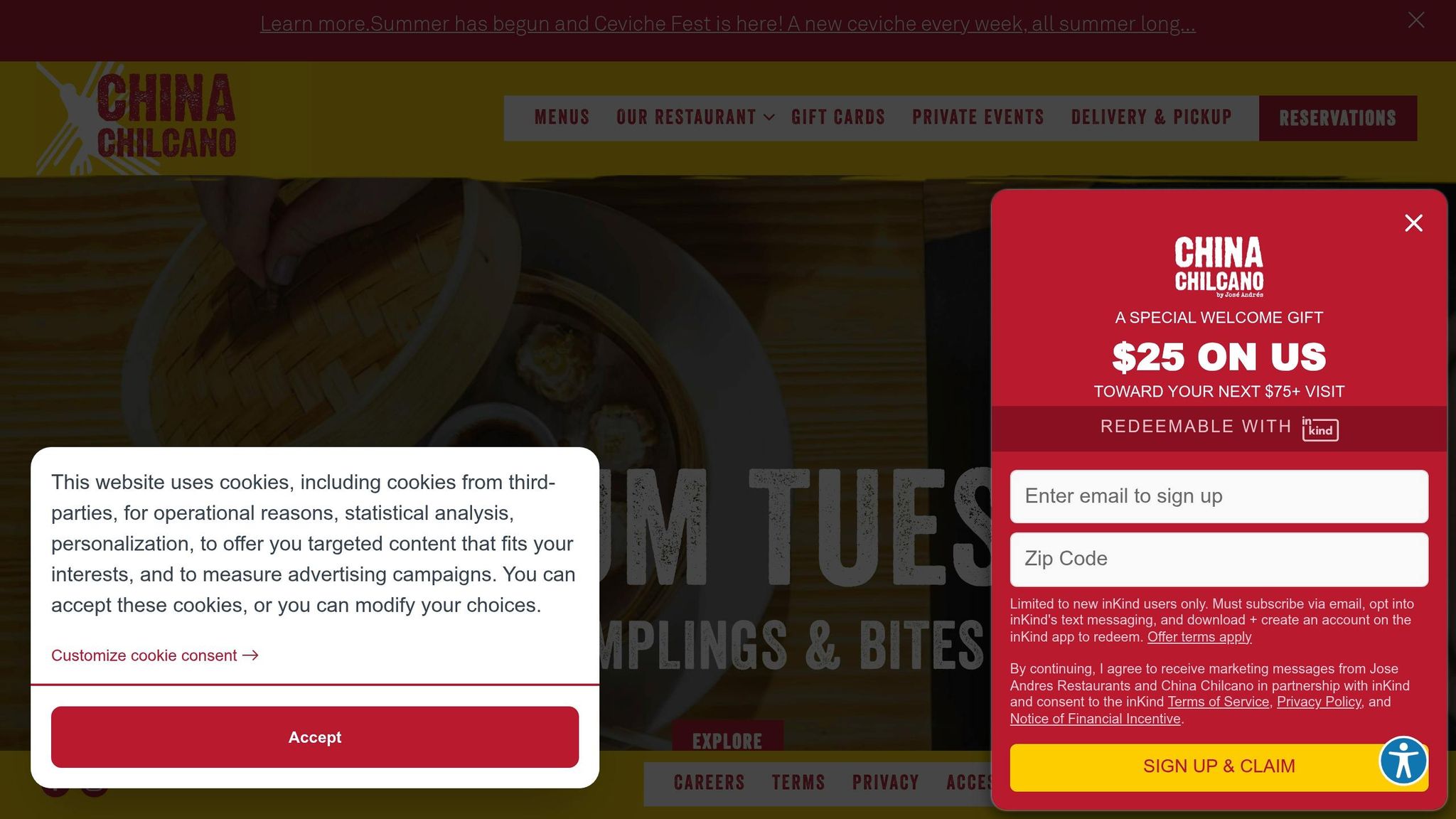
Once the USDA and FDA gave final approval in June 2023, Andrés moved fast. He chose China Chilcano, his Peruvian restaurant in Washington, D.C., as the launch venue [5][3].
The first dish was "Anticuchos de Pollo": charcoal-grilled cultivated chicken skewers marinated in anticucho sauce, served with native potatoes and ají amarillo chimichurri [5][4][8]. The first sale was timed to coincide with Willem van Eelen's 100th birthday. Van Eelen is widely seen as the godfather of cultivated meat [5][7].
"The big day is here, the chicken is here, and people are going to be talking. This is a first for the history of humanity." - José Andrés, Chef and Board Member, GOOD Meat [5][3][9]
The launch was deliberately small. The restaurant started with just eight seats a week, and supply was tight from day one [4][8]. The product arrived sous-vide because heat sets the texture, so it could not be served raw [4][8]. When public bookings opened on 25 July 2023 for weekly sittings starting on 31 July, they sold out in under four minutes [4][2].
Then came the part that mattered most: how diners would react once the dish was in front of them.
What the launch showed about cultivated meat in restaurants
The China Chilcano roll-out showed one workable way to introduce cultivated chicken in a restaurant without treating it like a gimmick. Staff were trained to explain it as real chicken, just grown in a different way. And the anticuchos format helped a lot. It gave diners something familiar - a well-known Peruvian street food - as the setting for trying something new [4][8].
Head Chef Daniel Lugo summed it up neatly:
"You'll be like 'Oh my God, this is literally chicken.'" - Daniel Lugo, Head Chef, China Chilcano [4]
That led straight into the next hurdle: explaining a new protein clearly enough that people would trust it. In moments like this, explanation, trust and familiarity do most of the heavy lifting.
sbb-itb-c323ed3
How Jose Andres addresses consumer concerns
Taste first: making cultivated chicken feel familiar
Andrés starts with the part that matters most to diners: taste. His view is simple. If cultivated chicken doesn’t taste good, people won’t come back.
At China Chilcano, serving charcoal-grilled Anticuchos de Pollo with native potatoes and ají amarillo chimichurri helped make the dish feel familiar. That matters, because it kept people focused on flavour instead of getting stuck on the fact that the chicken was grown from cells.
Reviewers described the flavour as "familiar chicken-like flavour", and Head Chef Daniel Lugo said most diners would struggle to tell it apart in a blind taste test [4]. The texture was described as more uniform than standard chicken, with fewer chewy or fatty parts [4].
From there, Andrés moves to the next hurdle: trust.
Safety, trust and clear explanations at the table
Andrés deals with safety concerns by pointing to USDA and FDA approval in June 2023 [10]. That gives diners something concrete, not vague reassurance.
At the table, staff kept the explanation plain and short: it is real chicken, grown from cells. GOOD Meat says its cultivated chicken contains no hormones, GMOs or antibiotics [3].
That answer tends to deal with the next thing diners want to know: is it safe and nutritious?
Ethics, sustainability and food security in plain English
Andrés then broadens the case beyond the plate. As the founder of World Central Kitchen, he speaks from direct experience about food security and better ways to feed people. He links cultivated meat to the need to feed a growing population with less strain on land and water.
Proponents argue that, at scale, cultivated meat could eventually require 70% less land and water than standard meat production [4]. Andrés also points to the slaughter-free process as a moral plus. For diners who care about animal welfare, that can carry weight. For everyone else, the taste and safety case still does most of the work.
What diner and media reactions reveal
Early reactions to taste, texture and the dining experience
Once the dish hit the table, you could see consumer trust in action. At China Chilcano, the reaction was mostly positive. Even so, texture and the whole idea of Cultivated Meat still split opinion.
Most reviewers said the flavour felt familiar. It tasted like chicken. Seth Reed called it "well-cooked chicken breast." [4]
Texture was where things got more mixed. Jessica Sidman of Washingtonian said it was closer to cooked firm tofu, with a springy texture, though she added that it still tasted chicken-like. [8] The dish itself was served as Anticuchos de Pollo with native potatoes and ají amarillo chimichurri. [4][1]
There was also a clear sense of scarcity. Supply stayed tight, with only six to eight seats a week, and portions were later cut from 100 g to under 60 g. [4]
Perceived benefits and concerns
The launch also brought the bigger argument into plain view. Some people rejected the idea outright, including one-star review-bombing of China Chilcano. [8]
Chef Rob Rubba of Oyster Oyster summed up one common concern:
"I think it detaches us once again from our food source from the natural world." [4]
The upsides were easy to spot. There was no slaughter involved. The meat offered a more even texture, without gristle or fatty bits. It was also produced without hormones, GMOs or antibiotics. [4]
But the concerns were just as plain. For many diners, the concept still felt unfamiliar. And supply remained very limited. [4]
Some studies suggest current production can create more greenhouse gases than standard meat, mainly because of the energy it needs. [4] That doesn't shut the door on the technology. It does show that the case for lower emissions depends heavily on future scale and cleaner energy. That gap between promise and proof leads straight to what this launch could mean for UK diners.
What this case means for the UK and for Cultivated Meat Shop
Lessons for future cultivated chicken adoption in Britain
The restaurant-first launch shows how many people in Britain are likely to meet Cultivated Meat for the first time: on a menu, not in a supermarket aisle.
That small sell-out release suggests there is demand. But demand on its own isn't enough. Trust and familiarity still matter more.
For the UK, the work starts now, before approval and a broader rollout. Chefs who speak plainly and care about lower-impact food are well placed to introduce it. And putting cultivated chicken into a dish people already know does far more to lower the novelty barrier than a press release ever could.[4][3]
Before that wider launch happens, people need a clear place to learn the basics without jargon or confusion.
How Cultivated Meat Shop helps consumers prepare
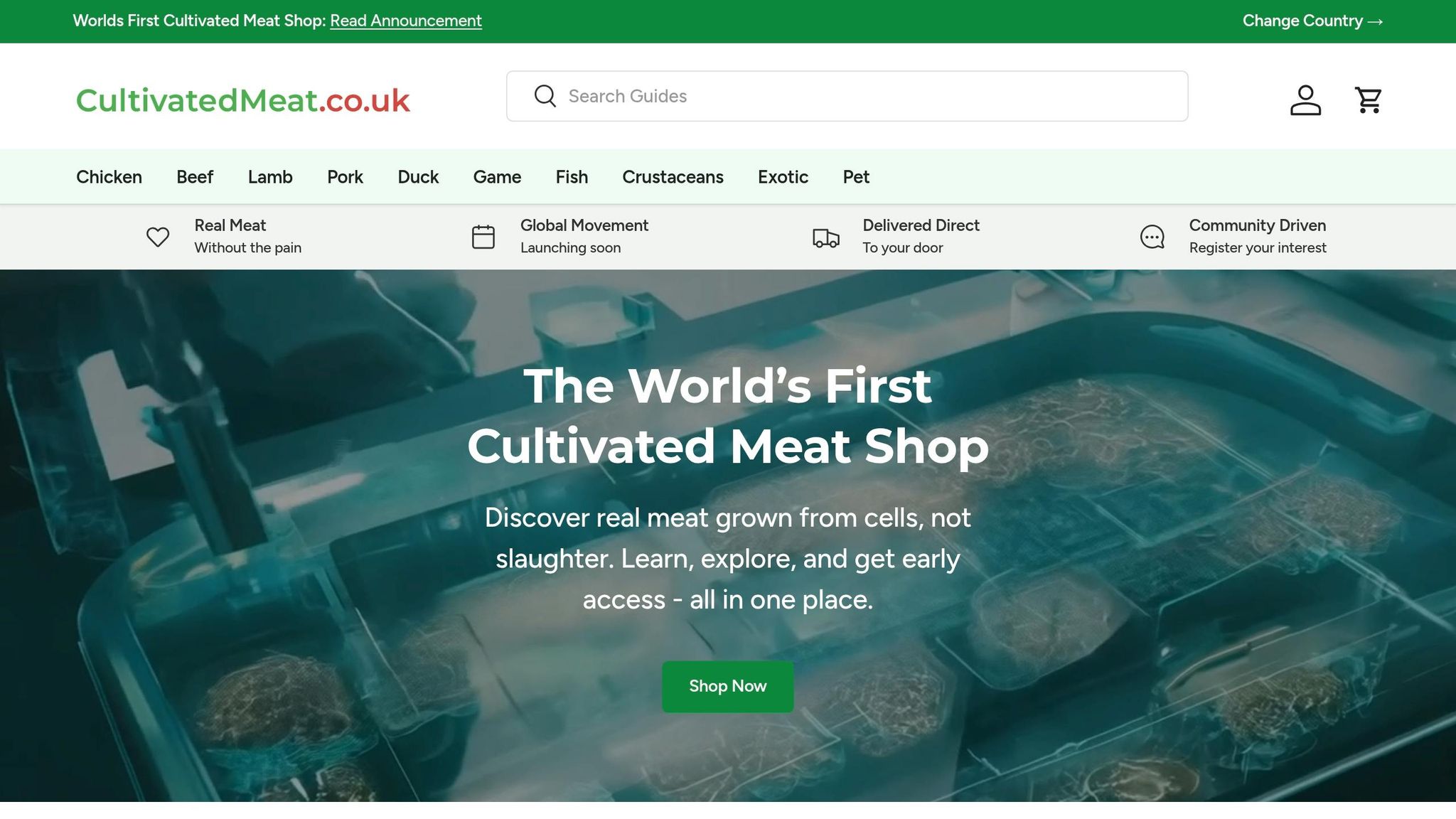
Cultivated Meat Shop is a consumer education platform where UK shoppers can learn about Cultivated Chicken, see how it is made, and join a waitlist ahead of its arrival in Britain.
Conclusion: Andres' advocacy as a model for consumer trust
Andrés matters here because he didn't treat cultivated chicken like a stunt. He made it feel normal. He put it on a real menu, inside a familiar dish, and let diners hear about it from people they already trusted.
"The future of our planet depends on how we feed ourselves… and we have a responsibility to look beyond the horizon for smarter, sustainable ways to eat." - José Andrés, Chef and Founder, World Central Kitchen[6]
For UK consumers, confidence in Cultivated Meat is likely to grow in much the same way: through trusted voices, familiar first experiences, and the restaurant table as the place where that trust starts.
Lab-grown chicken debuted at José Andrés restaurant
FAQs
Why did José Andrés matter to this launch?
José Andrés played a big part in the launch. He wasn’t just a well-known supporter; he also sat on the board of GOOD Meat, the company behind the product.
By putting it on the menu at China Chilcano, he gave Cultivated Meat a place in the fine dining scene and helped show chefs and diners that it belonged there.
How does restaurant service build trust in Cultivated Meat?
Restaurant service can help build trust in Cultivated Meat by giving diners a polished, high-quality first taste. When respected chefs such as José Andrés and Dominique Crenn put it on the menu in familiar, delicious dishes, the category feels less strange and more approachable.
Chefs can also help fine-tune taste and texture by sharing feedback with producers. Paired with federal safety oversight, that kind of expert backing helps move Cultivated Meat from a novelty into a more trusted option alongside conventional meat.
When might cultivated chicken reach the UK?
No date has been set for when Cultivated Meat will arrive in the UK. Work is moving ahead in other parts of the world, but broad public availability is still usually seen as around a decade away.
The main hurdle is scale. Producers need to make far more of it, and they need to bring costs down to a level that works for everyday shoppers.
For anyone keeping an eye on the category, Cultivated Meat Shop shares educational resources and updates on its progress.


